The Art and Science of Morning Stretching
Discover how morning stretching routines enhance daily mobility, improve flexibility, and set a positive tone for sustained physical well-being throughout your life.
Why Morning Stretching Matters
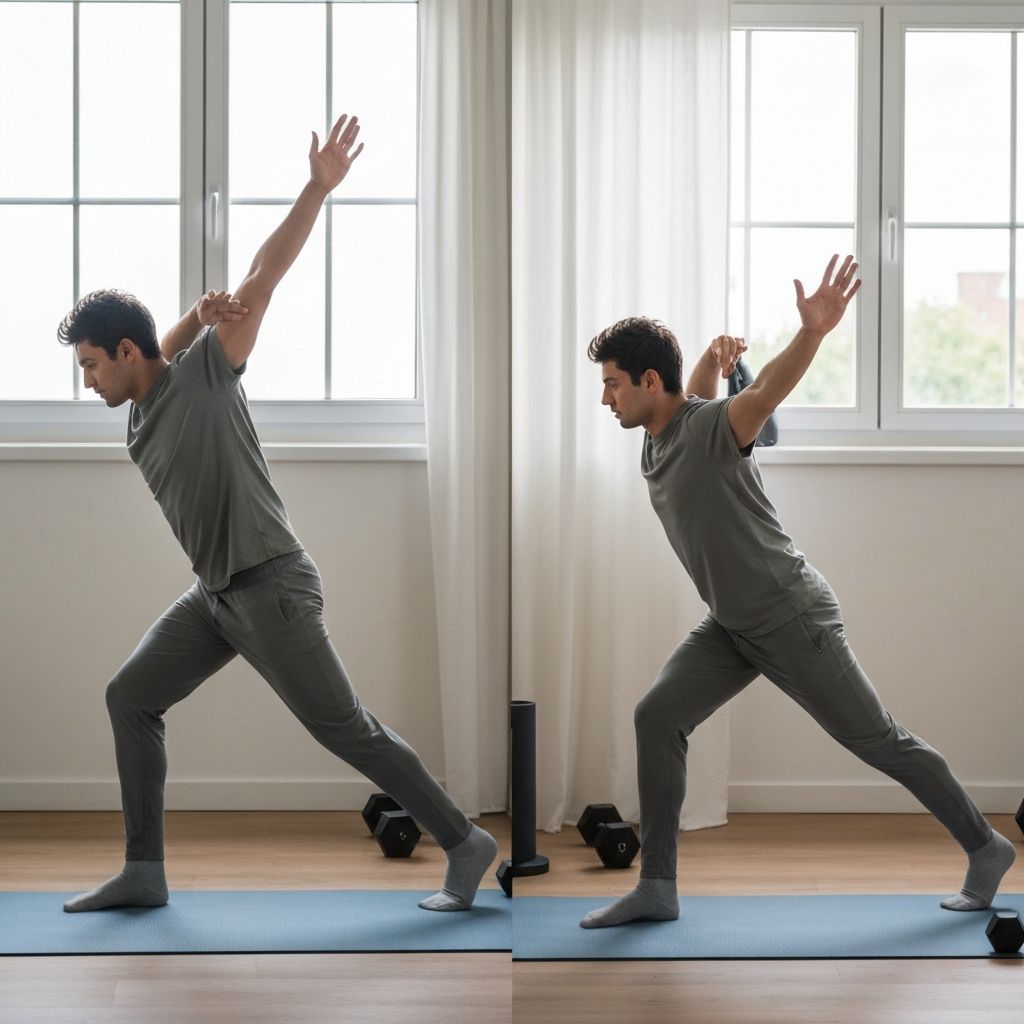
Morning stretching represents one of the most accessible and effective practices for maintaining and enhancing mobility throughout life. After hours of rest, the body's muscles, tendons, and connective tissues benefit significantly from gentle, deliberate movement that gradually increases blood flow and prepares the body for the day ahead.
Regular morning stretching improves flexibility, which is essential for maintaining a full range of motion in joints. This practice supports better posture, reduces muscle tension accumulated during sleep, and enhances the body's ability to perform daily activities with ease and comfort.
Additionally, morning stretching establishes a mindful routine that connects the mind and body, promoting mental clarity and emotional well-being as the day begins.
Key Benefits of Morning Stretching
Enhanced Flexibility
Regular morning stretching gradually increases the range of motion in your joints and muscles, enabling greater freedom of movement throughout the day.
Improved Circulation
Stretching increases blood flow to muscles and tissues, promoting oxygen delivery and nutrient transport essential for cellular health and energy.
Tension Relief
Morning stretches release muscle tension accumulated overnight, promoting relaxation and reducing stiffness that might otherwise affect your day.
Safe and Effective Morning Stretching Techniques
Neck and Shoulder Rolls
Begin by gently rotating your head in slow, controlled circles. Perform 5-10 full rotations in each direction. Follow with shoulder rolls: lift your shoulders toward your ears, roll them backward, and reverse. This simple practice addresses tension common in the upper body and promotes mobility in the neck and shoulders.
Forward Fold
Stand with feet hip-width apart and slowly bend forward from the hips, allowing your upper body to relax toward your legs. Do not force the stretch—simply allow gravity to gently stretch your hamstrings, calves, and lower back. Hold for 20-30 seconds, breathing deeply throughout.
Cat-Cow Stretch
From a hands-and-knees position, alternate between arching and rounding your spine in slow, deliberate movements. The cat phase (rounding the spine) stretches the back, while the cow phase (arching the spine) stretches the chest and abdomen. Perform 8-10 cycles, synchronizing movement with breath.
Seated Knee-to-Chest
Sitting upright, gently bring one knee toward your chest and hold for 20-30 seconds. This stretch targets the hip flexors and lower back, areas that benefit greatly from morning mobilization. Repeat on the other side.
Spinal Twist
Sitting with legs extended, bend one knee and cross it over the opposite leg. Gently twist your torso toward the bent knee, holding the position for 20-30 seconds. This mobilizes the spine and promotes digestive function.
Guidelines for Safe Practice
- Move Gently: Morning muscles are less flexible; avoid aggressive stretching. Use slow, controlled movements that feel comfortable.
- Warm Up First: A few minutes of light movement (walking in place, gentle swaying) prepares muscles better than stretching cold muscles.
- Breathe Consciously: Never hold your breath while stretching. Deep, steady breathing promotes relaxation and flexibility.
- Respect Your Limits: Each person's flexibility differs. Stretch to a point of mild tension, not pain.
- Hold Positions: Maintain each stretch for 20-30 seconds to allow muscles to lengthen safely.
- Consistency: Regular practice yields better results. Even 10-15 minutes daily produces significant improvements in mobility.
Important Information
This content is for informational purposes only. It is not a substitute for professional medical advice. If you have pre-existing conditions or experience pain during stretching, consult with a healthcare professional before beginning any new movement practice.
Deepen Your Understanding
Explore more articles on mobility, flexibility, and active longevity to expand your knowledge.
Explore Articles